What Brand Advertising Is and Why Long-Term Visibility Always Beats Short-Term Ad Spend
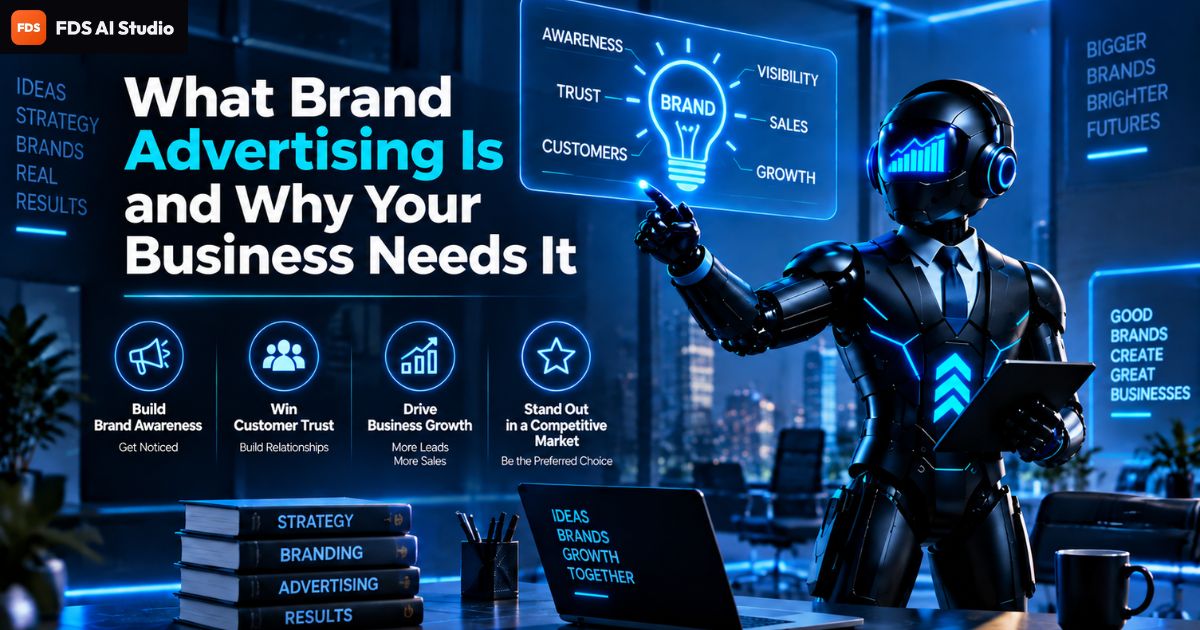
Most businesses think about advertising with one immediate question:
"How many leads or sales did this campaign generate?"
While conversions are important, successful brands understand that marketing has another purpose:
Building recognition before customers are ready to buy.
This is where brand advertising plays an important role.
Brand advertising focuses on creating:
- Brand awareness
- Customer trust
- Emotional connection
- Brand recall
- Long-term market presence
Unlike performance advertising, which focuses on immediate actions like clicks, leads, or sales, brand advertising focuses on making your business memorable.
When customers finally decide to purchase, they are more likely to choose brands they already know and trust.
What Is Brand Advertising?
Brand advertising is a marketing approach focused on increasing awareness and building a strong connection between customers and a brand.
The primary goal is not immediate conversion.
Instead, it focuses on:
- Making customers remember your brand
- Creating positive associations
- Increasing brand trust
- Strengthening market position
Brand advertising communicates:
Who you are, what you stand for, and why customers should remember you.
Examples of brand advertising include:
- Television commercials
- Social media brand campaigns
- Video advertisements
- Display advertising
- Outdoor advertising (OOH)
- Brand storytelling campaigns
Brand Advertising vs Performance Advertising
One of the biggest questions businesses ask is:
Should we spend more on brand building or performance campaigns?
The answer depends on your business goals.
Both approaches serve different purposes.
Brand Advertising
Performance Advertising
Builds awareness
Drives immediate actions
Creates brand recall
Generates leads/sales
Focuses on long-term growth
Focuses on short-term results
Measures awareness and perception
Measures conversions and ROI
Builds customer trust
Captures existing demand
Performance advertising asks:
"Can we get a customer today?"
Brand advertising asks:
"Will customers remember us when they are ready?"
Strong businesses usually combine both.
Why Brand Advertising Matters for Businesses
Customers rarely buy from completely unknown brands.
Before making a purchase decision, people often go through stages:
- Discover a brand
- Remember the brand
- Compare options
- Build trust
- Purchase
Brand advertising helps businesses influence the earlier stages of this journey.
1. Builds Brand Awareness
Brand awareness is the foundation of customer recognition.
When customers repeatedly see your:
- Logo
- Message
- Visual identity
- Brand story
your business becomes easier to remember.
A familiar brand has an advantage when customers begin searching for solutions.
2. Improves Brand Recall
Brand recall means customers can remember your business when they need a product or service.
For example:
A customer may not need your service today.
But months later, when they need it, your brand comes to mind.
This is the long-term value of brand advertising.
3. Creates Emotional Connection
People do not always choose products based only on features.
They also consider:
- Trust
- Values
- Experience
- Brand personality
Emotional advertising helps businesses create deeper relationships with customers.
4. Builds Brand Equity
Brand equity refers to the value a brand creates through customer perception.
Strong brand equity can lead to:
- Higher trust
- Customer loyalty
- Better market positioning
- Stronger competitive advantage
A brand that is remembered has more influence in purchase decisions.
5. Makes Competition More Difficult
Markets are becoming increasingly competitive.
When multiple businesses offer similar products, customers often choose brands they already recognise.
Consistent brand advertising helps businesses stay visible and reduces the chance of being forgotten.
Common Brand Advertising Channels
Brand advertising can be executed across multiple platforms.
1. Video Advertising
Video is one of the strongest formats for storytelling.
Platforms include:
- YouTube
- Television
- Streaming platforms
Video allows brands to communicate:
- Emotion
- Story
- Personality
- Product experience
2. Social Media Branding
Social platforms help businesses create ongoing relationships.
Brand advertising on social media includes:
- Brand stories
- Educational content
- Creative campaigns
- Community engagement
The goal is not just impressions.
It is building a memorable brand identity.
3. Display Advertising
Display ads help businesses maintain visibility across websites and digital platforms.
They are useful for:
- Brand awareness
- Retargeting
- Market presence
4. Outdoor Advertising (OOH)
Outdoor advertising includes:
- Billboards
- Transit ads
- Public displays
OOH helps brands build visibility among large audiences.
5. Content-Based Brand Advertising
Content marketing can also support brand building.
Examples include:
- Thought leadership articles
- Brand videos
- Educational content
- Customer stories
Useful content builds authority and trust.
Brand Advertising Examples
Successful brand advertising usually focuses on memory rather than direct selling.
Common examples include:
Story-Based Campaigns
Brands share stories that connect emotionally with audiences.
Brand Identity Campaigns
Campaigns that reinforce:
- Values
- Personality
- Mission
Consistent Visual Branding
Using:
- Same colours
- Same messaging style
- Same tone
helps customers recognise the brand.
Digital Brand Advertising in 2026
The digital advertising landscape is changing.
Modern brand advertising now includes:
- Social media campaigns
- Video-first content
- AI-powered audience insights
- Personalised messaging
- Data-driven creative testing
Businesses can now understand:
- Which audiences respond
- Which messages perform better
- Which creative formats create stronger engagement
Technology helps brands make better decisions while maintaining a human connection.
How Small Businesses Can Use Brand Advertising
Many small businesses believe brand advertising is only for large companies.
That is not true.
Small businesses can start with:
1. Consistent Brand Presence
Maintain consistency across:
- Website
- Social media
- Advertisements
- Content
2. Educational Content
Create content that helps customers understand:
- Problems
- Solutions
- Industry insights
3. Storytelling
Share:
- Founder stories
- Customer experiences
- Brand journey
4. Targeted Digital Campaigns
Small budgets can be used for:
- Social media awareness campaigns
- Video ads
- Content promotion
The goal is building familiarity over time.
How to Measure Brand Advertising Success
Brand advertising does not always show immediate sales.
Instead, businesses measure:
Brand Awareness
Are more people discovering your brand?
Brand Recall
Do customers remember your brand?
Share of Voice
How visible is your brand compared with competitors?
Engagement
Are people interacting with your content?
Customer Lifetime Value
Are customers building stronger relationships with your brand?
How Brand Advertising and Performance Marketing Work Together
The strongest marketing strategies combine both approaches.
Brand advertising creates:
- Awareness
- Trust
- Recognition
Performance marketing captures:
- Demand
- Leads
- Sales
Example:
A customer sees your brand video today.
Later, they search for your product.
Your performance campaign converts that interest into a purchase.
Together, both strategies create a complete customer journey.
Common Mistakes Businesses Make With Brand Advertising
1. Expecting Immediate Sales
Brand building takes time.
2. Changing Messaging Too Frequently
Consistency helps customers remember brands.
3. Focusing Only on Features
Strong brands communicate:
- Benefits
- Values
- Experiences
4. Ignoring Brand Identity
Every campaign should feel connected to the same brand.
How FDS AI Studio Approaches Brand Advertising
Modern brands need more than advertisements.
They need a complete system combining:
- Strategy
- Creative direction
- Audience insights
- Performance data
- Brand positioning
FDS AI Studio helps businesses create digital marketing systems that combine brand building with measurable growth.
The approach focuses on:
- Strong creative communication
- Data-driven campaigns
- Consistent brand messaging
- Long-term visibility
Explore more marketing insights through the FDS AI Studio blog.
Final Thoughts
Brand advertising is not about getting a customer to click today.
It is about making sure customers remember you tomorrow.
Businesses that invest in brand building create:
- Stronger recognition
- Better customer trust
- Higher brand value
- Long-term growth opportunities
Performance marketing may capture immediate demand, but brand advertising creates the foundation that makes future conversions easier.
The strongest businesses do not choose between brand and performance.
They build both together.